A community tradition rooted in a simple truth: water is wealth. History Themes, Logos & Buttons Royalty & Dignitaries Royalty & Dignitary History View more Our Story
The Sequim Irrigation Festival celebrates the work of D.R. “Crazy” Callen and his partners, who helped develop irrigation ditches that carried water from the Dungeness River to the Sequim Prairie.
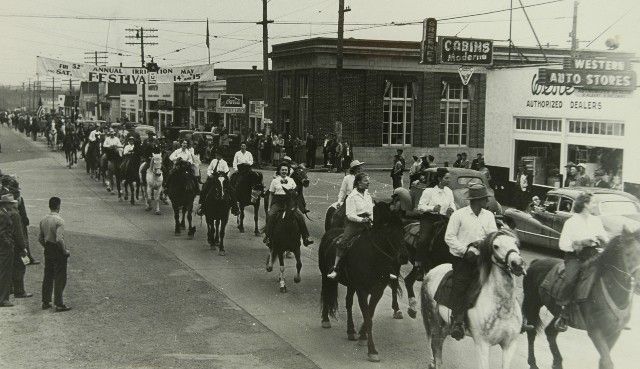
The first headgate on the Dungeness River was lifted on May 1, 1895. A year later—May 1, 1896—the first celebration was held at Crazy Callen’s farm, beginning what would become the oldest continuing festival in Washington state. MISSION, VALUES, AND WHAT WE CELEBRATE
The festival is built by volunteers and supported by sponsors, grants, and partnerships.
Community teamwork and volunteer spirit Stewardship of sponsor and community support Innovation and determination, the same grit it took to bring water to the prairie
WHAT WE VALUE WHY IRRIGATION IS CENTRAL TO SEQUIM (AND THE FESTIVAL)
Sequim sits in the Olympic Mountains’ rain shadow and receives relatively low annual rainfall. Historically described as around 16–17 inches per year.
That’s why irrigation mattered: local settlers organized in the 1890s to create a ditch system that delivered Dungeness River water onto the prairie, helping agriculture and settlement thrive in the Dungeness Valley.
Originating as a celebration of water reaching the prairie, the festival continues to evolve—bringing residents and visitors together through events across the first two weekends of May.
THE FESTIVAL TODAY WINTER ACTIVITIES 180
SQUARE KILOMETERS OF FOREST
350
DIFFERENT WALKING TRAILS
1,000
MAINTAINED CAMPSITES
7243
METERS ABOVE SEA LEVEL
SUMMER ACTIVITIES BIKING You’ll find hundreds of kilometers of paved and off-road riding trails at the park. Be prepared for extra high winds as you ride higher, and potentially slick conditions. Make sure you wear protective gear. HIKING Bring your hiking poles, sturdy shoes and plenty of high-energy foods, because once you get started walking the park’s hiking trails, you aren’t going to want to stop. All of our trails are clearly marked according to level of expertise. CAMPING There are more 180 campsites in the park, and demand is high, so book in advance. Note that developed sites have basic facilities such as running water and toilets; backcountry sites have no such facilities. WILDLIFE You’ll find an incredible array of wildlife roaming freely at the park. Enjoying taking photos, but do be sure to keep a safe distance. Also, respect the wildlife you encounter, as this is their home. CANOE TRIPS Travelling by canoe is one of the most relaxing ways of enjoying the park. Move along the water at a gentle pace, enjoying the scenery as you go. There are two boat shops at the park that rent canoes and gear. RIDING Riding has been a part of our national park since its designation in 1900. Horses, mules and llamas are allowed on designated park trails, and contribute to the park's special atmosphere.